When the Energy at Work Doesn’t Feel Right - Adapt or Move On?
Recognising subtle behaviors, culture and fit - without losing yourself
We’ve probably at one point in our careers experienced energy in the workplace that didn’t quite feel right, like you knew something was off but couldn’t quite put your finger on it.
This week’s Power in Change is delving into workplace behaviors we may have come across and if you haven’t count yourself lucky!
Firstly, we all recognise aggression in the workplace it’s the obvious kind, is easy to spot, the raised voices, conflicts and tension in the room you could slice. I remember early in my career, witnessing a couple of colleagues having a full-blown argument in an open office environment. That was a fair few years ago but still remember vividly.
There’s passive aggressive - subtle tone weaved into indirect comments and messages that carry more underneath than what’s being said, brushed off as “no big deal”. Where conflict is avoided, staying agreeable and holding back thoughts seems to be the best (safest) approach.
I’ve also experienced this behaviour in meetings, the ‘one up’ colleague who love the last word or feel the need to demonstrate they’re the subject matter experts (over you) and you know what, I’ve probably done a ‘one-up’ at some stage too ha! Not my best work!
Then there’s assertiveness, clear, respectful and direct communication. Assertive behaviour is the ability to directly and honestly express your needs, feelings and opinions while respecting others. Communicating clearly and calmly, using "I" statements to set boundaries or make requests without being passive or aggressive in turn fostering mutual respect.
Most workplace behaviour tends to sit somewhere along a spectrum. But of course, not everything fits neatly into a box, wrapped in bows. Which brings me to another term I came across called microaggressions.
I attended the 2025 Women in Leadership Summit held in Auckland and during these amazing conferences, there are breakout sessions, a selection of topics to choose from, pick 1-2 that interest you. I noticed a session called “Microaggressions in the Workplace”, instantly intrigued I popped along with curiosity keen to understand.
What blew me away was the number of women that attended this one breakout session, almost a mini conference. Women, early in career, university graduates in their first corporate roles and others with established careers.
Those early in careers asked if they should question leaders they report to, as don’t feel heard when they’ve shared ideas and, in some cases, speaking up has worked against them, resulting in not wanting to put a foot wrong, perceived as a career limiting move. The intent behind sharing ideas was to contribute positively, not to compete but be a team player.
On the other hand, women with more established careers, not in leadership roles or ‘title’ expressed that they found it best to fly under the radar, get on with job, opting to not rock the boat. A conscious decision to stay quiet, not because they’re oblivious to the said behaviour(s) but because the perceived risk felt too high.
I thought to myself aren’t these women best positioned to share ideas on improvement opportunities as they process the work and suggestions would ultimately benefit organisations in some way.
Moving on from that thought, I observed the session in fascination as others openly shared their experiences. I’m sitting there in disbelief that in 2025 and with the plethora of ‘leadership’ and ‘mindset’ courses out there, these behaviour(s) are rife today, blows my mind!
Taking a step back the dictionary meaning for Microaggressions; subtle, everyday comments or behaviors that communicate bias, exclusion or underlying assumptions whether intended or not.
It can be a comment that questions someone’s capability, a repeated interruption, a pattern of being overlooked. Individually, they may seem small but builds overtime. This is where it becomes more complex because it’s not always about what was meant, it’s about how it lands.
In many workplaces, these moments aren’t always acknowledged directly. Instead, they’re often absorbed, managed internally or actively ignored to maintain professionalism and professionalism, well that’s a blog for another time.
In both cases, the outcome looked similar, deciding to stay silent, not because there’s nothing to say but because the environment doesn’t always feel safe enough to say it.
This raises a broader question.
How do organisational values hold up in these moments?
It’s one thing to state values around respect, inclusion and psychological safety. It’s another to see how those values show up in everyday interactions.
Team culture is not built in statements; it’s built in behaviour. You’re aware enough to recognise what’s happening but you’re also aware of the environment you’re operating in and sometimes, it can feel like you’re caught between two choices. A case of between a rock and hard place, where behaviors are left unaddressed.
Not every situation requires confrontation and not every situation should be ignored. The real skill sits somewhere in between. It’s the ability to read the environment, assess the impact and choose a response that aligns with both your values and your context.
Sometimes that looks like asking a question instead of making a statement. Sometimes it’s choosing the right moment. Sometimes it’s recognising patterns, not just isolated incidents and recognising when the environment itself may not align with the standard you want to operate in.
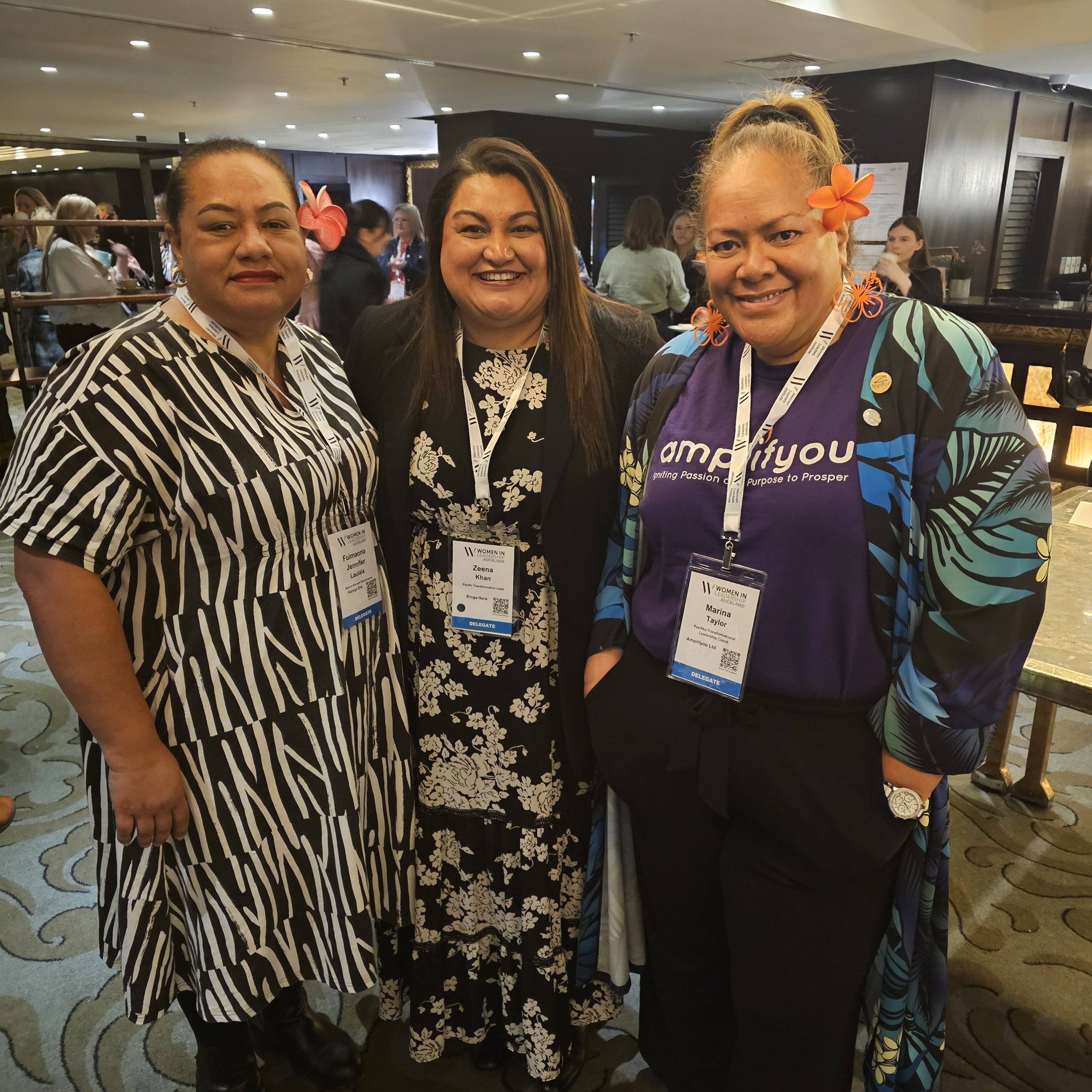
Surrounding yourself with amazing women, makes a positive difference. Much respect to Marina & Jennifer.
To be honest, I’m still perplexed by these behaviors – aggression, passive and microaggressions because I always been a huge believer in ‘Running it straight’, a ‘Say what you got to say’ mentality, which of course hasn’t served me well, all the time.
When you first express or communicate something, it might not always land or come across clear but having colleagues/ leaders and an environment you feel safe in to share makes all the difference. Where they’re seeking to understand over passing judgement is a place most of us would thrive in and I know it’s not always the case - easier said than done.
The question isn’t whether these behaviors exist in the workplace because they do.
Power in Change is about recognising that responding to change is navigating complexity while staying aligned with who you are.
Awareness matters because adaptability is not about tolerating everything. It’s about navigating with intention. Maintaining your sense of self while understanding the system you’re in and making conscious decisions about how you engage within it or not.
The observations I’d like to offer from my week:
• Not everything that feels small has a small impact. Lean into recognising patterns of behaviour.
• Silence in the moment doesn’t always mean agreement.
• Be mindful of accepting everything at face value, you choose how you respond.
As I start my job search (seek website) and even though there are amazing roles advertised. I noticed the organisational reviews and when the average ratings are 2.5 to 3 out of possible 5-star rating, accompanied by colorful (negative) comments as recent as January 2026, it does make you wonder the state of workplaces and what I could be potentially walking into.
Wish me luck!
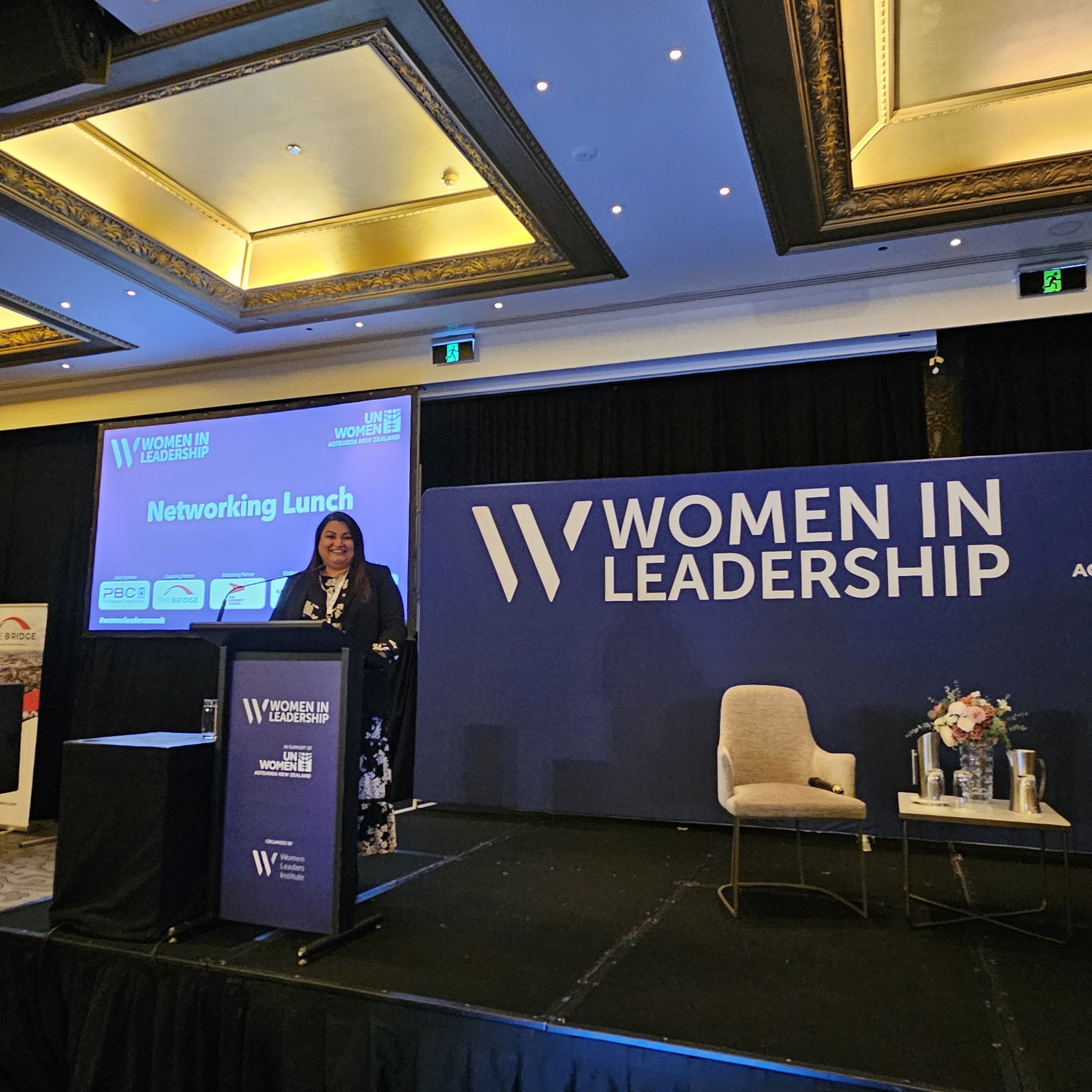
WIL Conference, 2025, Auckland.
Until next time, speak soon.
Zee
Move with Change | Move with Confidence