Life Blueprint – Necessary or Not?
When following the plan stops making sense
It’s okay to change your mind and direction.
It sounds simple when you say it out loud. Reassuring on the surface but it’s not always that easy to live by.
Many of us grow up believing we need a plan and to extent we do for a clear path ahead. A blueprint for how life is supposed to be and unfold. Study this, work here, climb the ladder, secure the role title, build, stay consistent and follow through no matter what.
I know it’s what I’ve been doing because a structured plan feels grounded. So far, in both my personal and professional life it’s given me something to aim for, direction wrapped up in a sense of purpose. My own personal success measures as I progress, creating a sense of control.
Sometimes though when it comes to change, it can stem from a decision you make or it’s one made for you. A role changes; the job ends. An opportunity you thought was stable no longer exists and suddenly, the blueprint you were following doesn’t quite fit anymore. But there’s often a part of you that still feels responsible for sticking to it.
The belief of not giving up because walking away means you’ve failed. As if changing your mind meant you lacked commitment in the first place.
Holding ourselves accountable and taking responsibility are both important but there are times we just need to pull the plug, pack up and be okay with that version of a plan, no longer reflects the goal and vision.
There’s a difference between discipline and rigidity.
Discipline supports progress, it helps you follow through and build consistency.
Rigidity can limit adaptability. Keeping you tied to decisions made in a different context with a different level of awareness and possibly different stage of your life can be a factor.
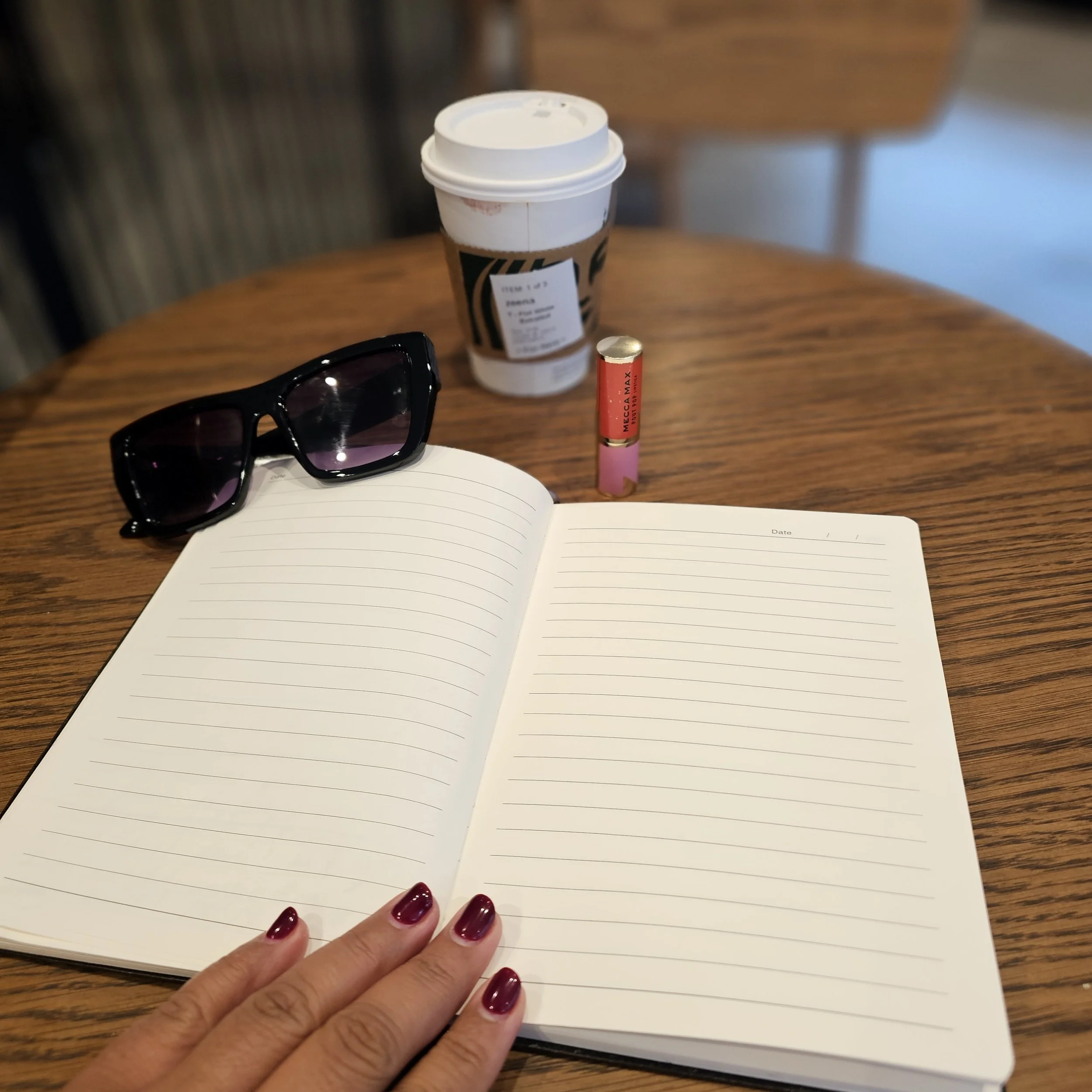
Starbucks Elizabeth St, Melbourne Central.
Point is – It’s OK to pivot and change your mind.
When things change as they inevitably do, rigidity creates friction and in some cases feelings of hesitation and guilt. A question that lingers: “Should I just stick it out?”
Enter the adaptive mindset…
Having a blueprint, plan or roadmap is useful but treating it as something ‘fixed’ can hold you back from seeing what’s beyond it.
What if the plan was never meant to be permanent or was simply a starting point?
The gold is in the learning when a plan no longer works. When you’re forced to pause, reassess and consider options you hadn’t previously thought about.
That’s not failure, it’s a win. The main thing is that you gave it a go and dared to try.
It presents an opportunity to ask different questions. Instead of “how do I get back on track?” to “what does the next version of this look like for me now?”
Trying to maintain control will exhaust the best of us. I believe it’s better to learn how to be (without guilt) at peace with changing our minds versus curling up into a ball of despair, holding ourselves to ransom, stuck in ‘could’ve, would’ve, should’ve.
In moments of change, especially the ones you didn’t choose (or did), it’s easy to feel like you’ve lost something, the stability and momentum. But change presents the opportunity to think differently, look at your options and decide what matters now, not what mattered before.
So, in the spirit of my ‘no plan, plan’ approach at the start of 2026 (resulting in redundancy, Dec 2025). My plan is to move across the ditch which wasn’t part of the ‘blueprint’ but is now. The next location I had on my roadmap was Christchurch but after 9 weeks roaming Australia, I decided to relocate. I’ll miss Aotearoa, New Zealand, it’ll always be home.
Here’s to throwing caution to the wind, led by curiosity, ready for adventure, eager to explore and see what happens.
Letting go of the pressure to follow a plan exactly as it was first written is such a relief as I pride myself on follow through, my word is my bond, but I had to allow room for this change without attaching any feelings of guilt leaving home (South Auckland), again which has not been easy!
So, if you think whether you need a blueprint for your life or not.
Let’s just start with allowing ourselves the space and grace to pivot in the face of change.
The observations I’d like to offer from my week:
• A plan can guide you, but it shouldn’t confine you.
• Feeling guilty for changing direction often comes from holding onto outdated expectations.
• Adaptability is not about abandoning discipline it’s about applying it differently.
Power in Change is about recognising that adaptability isn’t just about navigating change — it’s about having the awareness to adjust your direction when the path no longer fits.
Because the most important move forward could well be…choosing a different way.
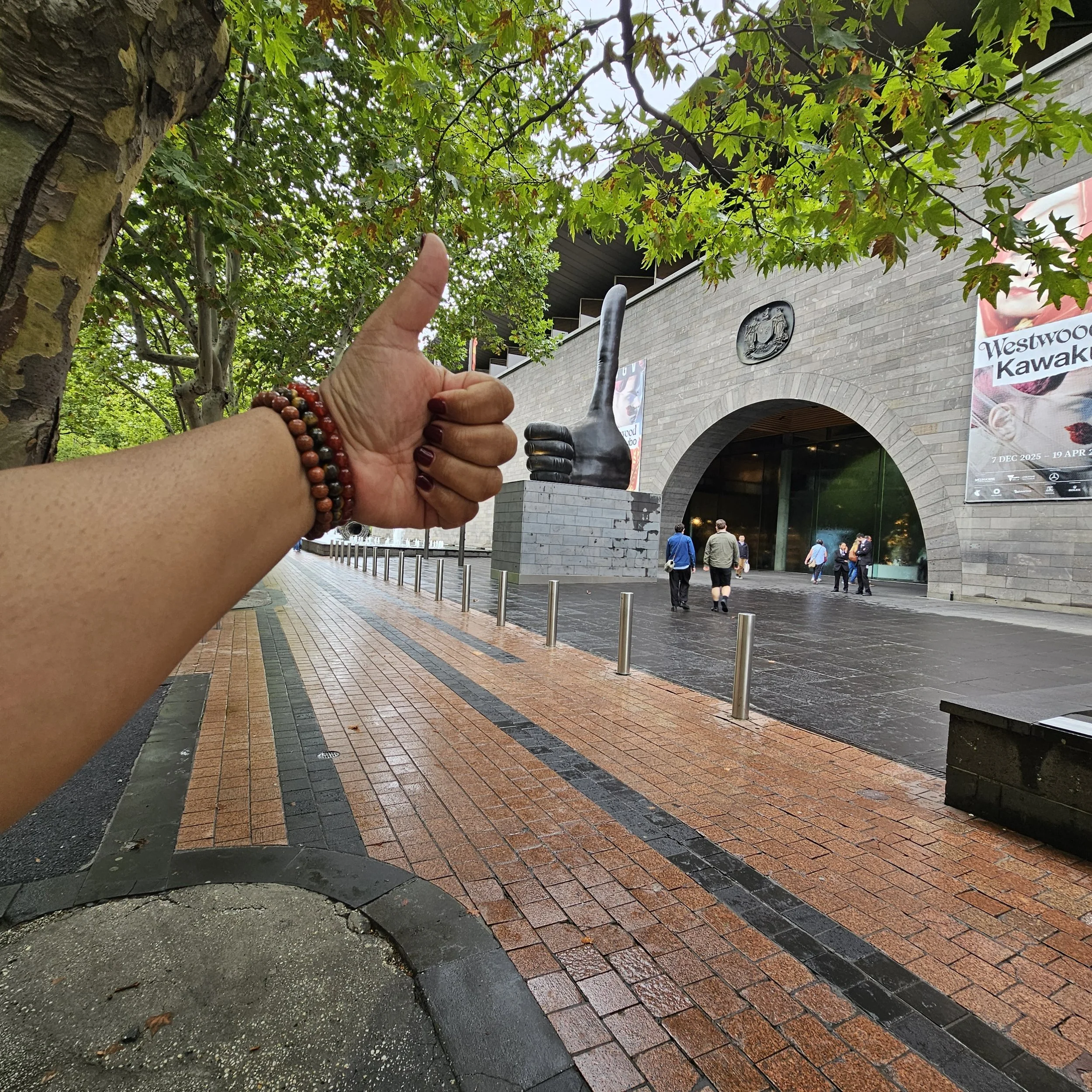
Thumbs up to change of plans - The National Gallery of Victoria, Melbourne.
Until next time, speak soon.
Zee
Move with Change | Move with Confidence